I have a conceptual innovation to restore memories and modulate them extendedly.
This will incorporate synaptic autonomous nanocarriers, these nanocarriers will be powered by traditional power the body receives, glucose.
This will work via a Glucose-Biofuel Cell, which will convert glucose sugars into electrical energy.
Memory Modulation and Eventual Disposal
Memory modulation will work by incorporating the nanocarriers.
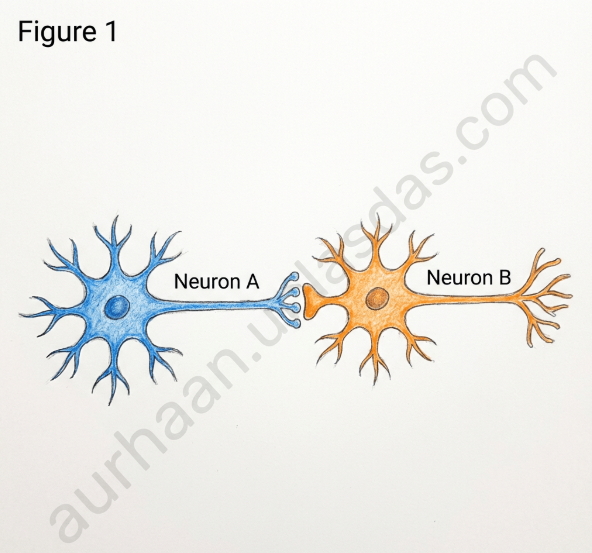
We will assume there is a connection between Neuron A and Neuron B as shown in Figure 1.
The patient is asked to think about the bad experience vividly to expose the neurons which store the bad experience.
We can utilize Long-Term Depression(LTD).
Neuron A releases Glutamate. It floats across and hits Receptors on Neuron B.
The nanocarrier releases enzymes that break down the Glutamate before it reaches the other side.
The message is intercepted, after experiencing this repeatedly in the target area, the Nervous system realizes that the connection is inappropriate and useless because the connection is not received by Neuron B, this will result in the connection being biologically dissolved.
We will still keep Neuron A and Neuron B to present how we will integrate memory restoration into this design as shown in Figure 2.
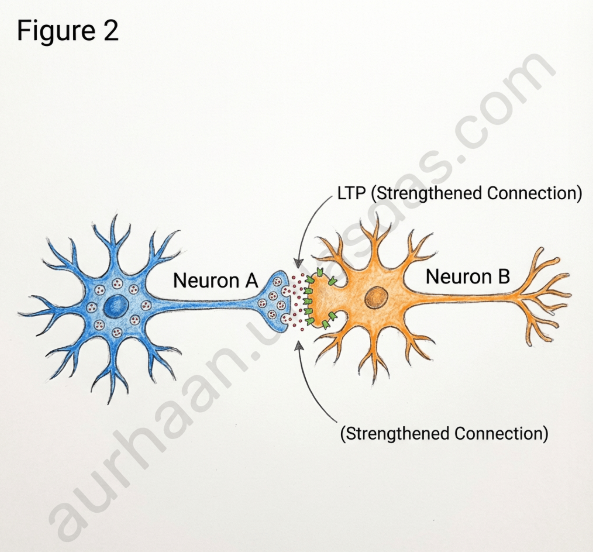
We can utilize Long-Term Potentiation(LTP) by connecting the nanocarriers to a weak neuron connection(s) , whenever a weak signal from the damaged neuron(lets assume Neuron A, the signal is Glutamate) is received by the nanocarrier, using the glucose energy provided by digestion and daily consumption of nutrients, an internal capacitor of the nanocarrier will be powered, this capacitor will hold an electrical charge in reserve waiting from the signal from Neuron A, current options to amplify the faint signal from Neuron A is to release a concentrated dose of synthetic Glutamate directly onto Neuron B or extends a conductive probe to touch the membrane of the receiving neuron and delivers a calibrated micro-shock (millivolts), this artificial boost forces the receiving neuron’s voltage to depolarize, the nanocarrier produces and transmits the memory signal to Neuron B, and the memory signal continues down the line.
Leave a Reply